
Wallpaper installation in a condo, apartment or rental is usually possible, but the building and the lease decide how it happens. Condo owners should check HOA rules on work hours, elevator reservations and contractor paperwork; renters need written landlord permission; and landlords do best with scrubbable wallcoverings that survive turnovers and come off cleanly. WallpaperCraft Pro, based in Bellevue, WA, installs wallpaper in condos, apartments and rentals across Seattle and the Eastside.
Key takeaways
- Condo owners should read their HOA rules and ask management about work hours, elevator booking, parking and any contractor documents the building requires.
- Renters should get written landlord permission that says what can be installed, where, and how it must be left at move-out.
- Removable (peel-and-stick) or strippable papers are the lower-risk choices when you don't own the walls.
- For rental units and turnovers, scrubbable vinyl and commercial Type I or Type II wallcoverings hold up better than delicate papers.
- Good wall prep, especially a wallcovering primer, protects the drywall and makes future removal far easier.
- Property managers can refresh lobbies, corridors and amenity rooms with commercial-grade wallcoverings installed on an after-hours schedule.
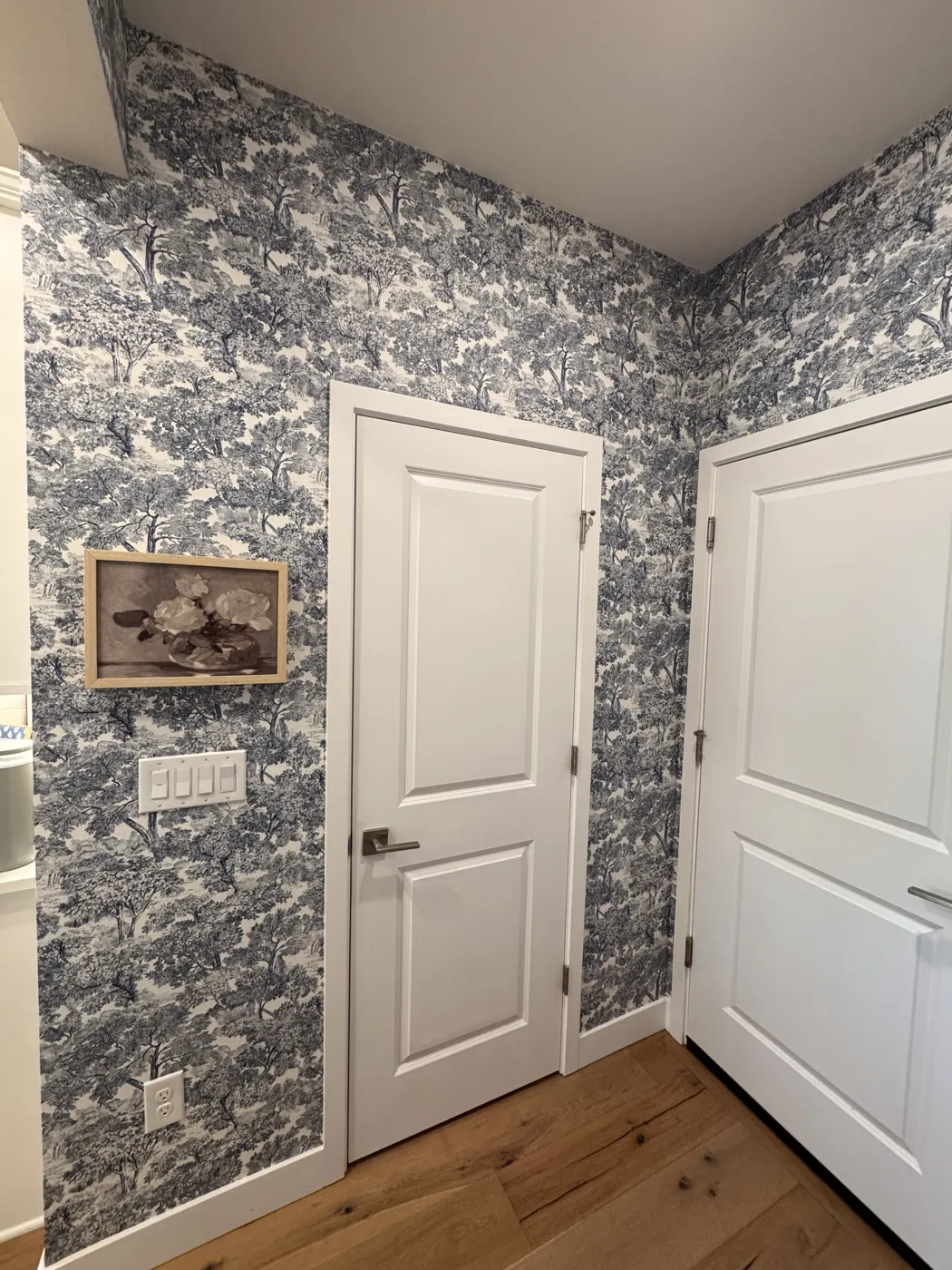
Can you install wallpaper in a condo or apartment?
In most cases, yes, but the building has a say in how the work happens. Condo towers in Seattle and Bellevue, mid-rise buildings in Kirkland and Redmond, and apartment communities in Renton or Lynnwood typically have rules about when contractors can work, how they move materials, and where they park. Renters have one more layer: the lease.
Wallpaper is a quiet, low-dust trade, so it usually fits building rules well once logistics are sorted out. For high-rise logistics in the city, see our guide to hiring a wallpaper installer in Seattle; Eastside condo owners can read about HOA building rules on our Bellevue wallpaper installer page.
Condo wallpaper installation: what should you confirm with your HOA?
Confirm approval, work hours, paperwork, elevator booking and parking with your HOA or building manager before you book an installer. Your HOA documents and building manager have the final word.
- Is approval needed? Interior wallpaper often doesn't require architectural approval, but some associations want notice of any contractor work. Ask before you book.
- Allowed work hours. Many buildings limit contractor work to weekday daytime hours and restrict weekends or holidays.
- Contractor paperwork. Some buildings ask for a certificate of insurance or a contractor registration form ahead of time. Request the exact requirements from management and pass them to your installer early.
- Elevator reservations. Freight or service elevators may need to be booked and padded.
- Parking and loading. Ask where a work van can unload and park, and whether a pass or garage fob is needed.
Can you wallpaper an apartment you rent?
Only with your landlord's permission, ideally in writing. If you rent, don't assume wallpaper is allowed just because painting is. Many leases prohibit alterations without consent, and adhesive on walls is exactly the kind of change landlords worry about. Ask first, and get the answer in writing, even if it's a short email. A useful approval spells out:
- Which rooms or walls you can cover (an accent wall is an easier ask than a whole unit).
- What type of product is allowed: removable peel-and-stick, strippable traditional paper, or either.
- Whether you must remove it at move-out or may leave it in place.
- Who handles repairs if removal damages the drywall.
What's the best wallpaper for renters?
For most renters, peel-and-stick is the safest choice, with strippable traditional paper over primer as a sturdier option when the landlord agrees.
Peel-and-stick (removable) wallpaper
Peel-and-stick is designed to come off without soaking or scraping, which makes it the go-to choice for many renters. Results depend heavily on the wall: it bonds best to smooth, clean, fully cured paint, and it can struggle on textured walls, very flat or chalky paint, or damp rooms. Test a small piece in a hidden spot first. Our peel-and-stick vs. traditional wallpaper comparison covers the trade-offs in more depth.
Strippable traditional wallpaper
If your landlord allows it, a strippable paste-the-wall or pre-pasted paper installed over a proper wallcovering primer can be a sturdier, more seamless option. The primer creates a barrier between the paper and the drywall face, so when the time comes, the paper releases instead of tearing the wall. This is a better choice for longer leases or for rooms where peel-and-stick tends to fail.
What wallpaper holds up best in rental properties?
Scrubbable vinyl is usually the best wallpaper for rental units because it wipes clean and survives several tenants. For landlords, the goal is different from an owner's: a finish that looks good in listing photos, handles daily wear and survives several tenants. A few guidelines help:
- Choose washable or scrubbable surfaces. Solid vinyl and vinyl-coated wallcoverings wipe clean far better than uncoated papers, grasscloth or silk, which are best kept for owner-occupied homes.
- Consider commercial vinyl for high-traffic spots. Type I vinyl is a lighter-duty class suited to areas with moderate wear; Type II is heavier and better suited to corridors, entries and other spots that see scuffs and bumps.
- Pick forgiving patterns. Textured or subtly patterned designs hide small marks better than flat, solid colors. Random-match patterns are easiest to patch.
- Buy extra rolls from the same run. Keep a spare roll with the same batch or run number for future repairs; colors can vary between runs.
In the Pacific Northwest's damp climate, rental bathrooms and laundry rooms need a moisture-tolerant vinyl and good ventilation, since tenants don't always run exhaust fans. Our guide to wallpaper for bathrooms and humid rooms covers product choice and prep.
How do you protect your security deposit?
Protect your deposit by getting permission in writing, priming correctly and leaving time for careful removal. Damaged drywall at removal is the usual problem, and you can lower that risk:
- Get permission in writing before anything goes on the wall.
- Photograph the walls before installation.
- Prep correctly. Clean the wall and, for traditional paper, apply a primer made for wallcoverings. Skipping primer is a common reason paper takes the drywall's face paper with it. Our wall preparation guide walks through repairs and primer.
- Follow the manufacturer's instructions for adhesive, booking or relaxing time, and dry time.
- Leave enough time to remove it before move-out, and test-peel a corner a few weeks early. See our wallpaper removal guide for how pros take paper down without gouging drywall.
- Repair and touch up small adhesive marks or nicks so the wall matches its move-in condition.
How can property managers refresh condo and apartment common areas?
Use commercial-grade vinyl and schedule the work after hours or in phases so residents keep using the space. Lobbies, corridors and amenity rooms take a beating, and Type II vinyl is a common choice for these spaces because it resists scuffs and can be cleaned regularly. Working one floor or wing at a time keeps corridors usable and noise down. For specification, scheduling and materials in more detail, read our commercial wallpaper installation guide.
How do you plan elevators, parking and access for a condo install?
Book the elevator, confirm parking and arrange building access before install day. Plan for:
- Elevator time: book the service elevator for the start and end of the job if required.
- Parking: downtown Seattle and Bellevue buildings often have limited loading space, while suburban complexes in places like Kirkland or Tacoma may have guest stalls. Ask management what applies.
- Access: arrange a fob, key or concierge sign-in so the crew isn't stuck in the lobby.
- Timing: for rentals, install between tenants when the unit is empty, ideally after painting and before final cleaning.
Condo and rental wallpaper checklist
| Step | Condo owner | Renter | Landlord / property manager |
|---|---|---|---|
| Permission | Check HOA rules; notify management if required | Written landlord approval | Check HOA rules if the rental is in a condo building |
| Work hours | Confirm allowed contractor hours | Confirm with building management | Plan after-hours or phased work in occupied buildings |
| Product choice | Any type that suits the room | Peel-and-stick or strippable | Scrubbable vinyl; Type I or Type II for high traffic |
| Wall prep | Repair and prime | Clean; test removable product; prime for traditional paper | Repair, prime, and keep records for future turnovers |
| Logistics | Elevator, parking, access | Elevator, parking, access | Schedule between tenants or off-hours |
| Long-term | Keep spare roll | Plan removal before move-out | Keep spare rolls from the same run |
Frequently asked questions
Do I need HOA approval to wallpaper my condo?
Often you don't need formal approval for interior wallpaper, but many HOAs require notice of contractor work, set allowed work hours, and may ask for contractor paperwork or elevator reservations. Rules vary by building, so read your governing documents and ask your building manager before scheduling.
Can renters put up wallpaper?
Renters can wallpaper only if the lease and landlord allow it. Ask for written permission that names the rooms, the type of product (removable or strippable), and whether it must come down at move-out. Peel-and-stick is the most common renter choice, but test it on a small area first because results depend on the paint and wall surface.
Will removable wallpaper damage walls?
Peel-and-stick wallpaper is designed to come off cleanly, but it can still lift paint that is poorly bonded, very fresh, or chalky. Textured walls and humid rooms also cause problems. To lower the risk, apply it to clean, fully cured paint, test a hidden spot first, and peel slowly at a low angle when removing it.
What wallpaper is best for a rental property?
Washable or scrubbable vinyl wallcoverings are usually the best fit for rentals because they resist stains and wipe clean between tenants. For high-traffic entries and hallways, a commercial Type I or Type II vinyl adds durability. Choose textured or subtly patterned designs that hide wear, and keep a spare roll from the same run for repairs.
Can wallpaper be installed in an occupied apartment building?
Yes. Wallpaper is a relatively quiet, low-dust trade, which suits occupied buildings. For common areas, property managers often schedule work after hours or in phases, one floor or wing at a time, so corridors stay usable. Coordinate elevator use, parking and resident notices with building management before the crew arrives.
How much does wallpaper installation in a condo cost?
Cost depends on wall area, number of rolls, pattern repeat, wall condition, material type, any removal or prep, ceiling height, and building logistics like restricted work hours. Because every unit and building differs, the most reliable number is a written estimate based on your actual walls and chosen wallcovering. WallpaperCraft Pro offers free estimates and replies within 24 hours.
Planning wallpaper for a condo, apartment or rental?
WallpaperCraft Pro installs residential and commercial wallcoverings across the Seattle and Eastside area, from single accent walls to multifamily common areas. Request a free estimate and we'll reply within 24 hours. Call (213) 645-9101 or email wallpapercraftpro@gmail.com.