
Grasscloth wallpaper installation takes more care than standard wallpaper because natural fibers vary in color from panel to panel, seams stay visible, and the face stains permanently if adhesive touches it. A good installer primes a smooth wall, confirms every roll comes from the same run, hangs panels in sequence to blend shading, and keeps paste off the surface, with silk and metallic papers needing even more careful prep. WallpaperCraft Pro, based in Bellevue, WA, installs grasscloth and designer wallcoverings across Seattle and the Eastside.
Key takeaways
- Color and texture variation between grasscloth panels is a natural characteristic, not an installation error.
- Reverse hanging (flipping every other panel) can help blend shading, but only when the manufacturer recommends it.
- Adhesive on the face of grasscloth or silk usually cannot be cleaned off, so clean technique matters more than speed.
- Metallic and foil papers magnify wall flaws, so they often need a skim coat and careful priming first.
- Order all rolls from one run or lot, with spares, and inspect them before anything is cut.
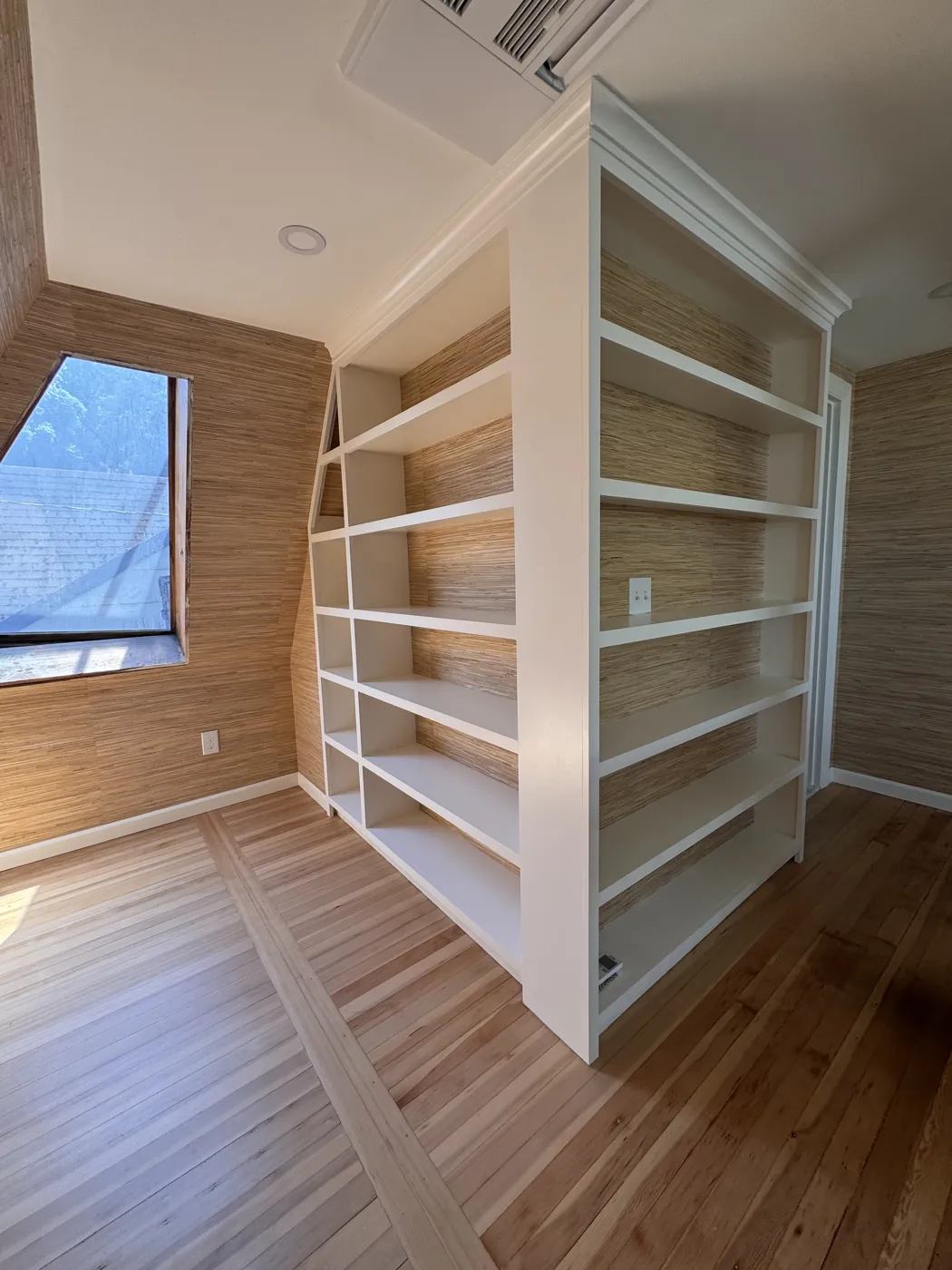
Grasscloth, silk and metallic papers are far less forgiving than everyday printed vinyl. This guide explains what makes them tricky, how professionals handle them, and what homeowners and designers around Bellevue, Kirkland and Mercer Island should plan for. For island homes specifically, see our page on luxury wallpaper installation on Mercer Island.
What makes grasscloth wallpaper installation different?
Grasscloth installation differs because the material is natural, unmatched and easily stained, so the installer manages shading and cleanliness rather than a printed pattern. It is woven from fibers such as sisal, jute or seagrass and laminated onto a paper backing. No two lengths look exactly alike, which is the appeal and also the challenge.
Color and texture variation is built in
Panels can differ in tone and texture, even within one roll, so shading can change noticeably at a seam. Manufacturers typically state this in their literature; it is not considered a defect.
Seams will show
Grasscloth usually has no pattern to match (unlike the printed designs covered in our wallpaper pattern matching guide), so panels are butted together, and the seam tends to remain visible, especially in raking light from a window. Good layout hides seams where possible, but a seamless look is not realistic.
The face is easily stained
A smear of paste or a wet sponge can leave a permanent mark. Wiping seams with a damp sponge, routine with vinyl, can ruin natural fibers, so installers work with clean hands and tools and keep adhesive off the face completely.
How do professionals install grasscloth step by step?
Every manufacturer has its own instructions, and those always come first. In general, a careful grasscloth installation follows a sequence like this:
- Check the material. Confirm all rolls share the same run or lot number, inspect for damage, and look at the shading of each roll before cutting.
- Prepare the wall. Repair cracks and holes, sand smooth, and apply a wallcovering primer suited to the material. Many installers prefer a pigmented primer so the wall color does not show through gaps in the weave.
- Plan the layout. Decide where seams will land, start in a less visible spot, and avoid placing a seam right at the center of a focal wall or beside a light switch where it draws the eye.
- Cut and number panels in order. Hanging panels in the sequence they come off the roll helps adjacent panels blend.
- Reverse hang if recommended. Some manufacturers advise turning every other panel upside down to even out shading from edge to edge. Follow the label; do not assume it applies.
- Paste carefully and book. Grasscloth is typically unpasted, so adhesive is applied by hand and the panel is booked (folded paste to paste) for the time the manufacturer specifies.
- Hang, smooth and trim cleanly. Smooth with a soft brush or tool that will not crush fibers, butt seams tightly and trim with fresh blades for clean edges.
- Review the first panels. Many installers hang a panel or two and review them with the client or designer before continuing.
If your walls need significant work first, our guide to wall prep before wallpaper explains the repair, skim coat and priming steps in more detail.
Which designer wallcoverings need special handling?
Grasscloth, silk, metallic foils and most unpasted luxury papers all need special handling, each for a different reason:
| Material | Main challenge | How installers handle it |
|---|---|---|
| Grasscloth (sisal, jute, seagrass) | Panel-to-panel color variation, visible seams, stains easily | Same-lot rolls, panel sequencing, reverse hanging if recommended, paste kept off the face |
| Silk and fabric-faced papers | Delicate surface, shows fingerprints, adhesive and water marks | Clean handling, careful adhesive control, minimal pressure when smoothing |
| Metallic, foil and Mylar | Reflective face exaggerates bumps, seams and patches; creases easily | Very smooth, primed walls (often skim coated), gentle smoothing, power off near outlets for conductive foils |
| Unpasted designer papers | Adhesive type and quantity affect adhesion and staining | Use the adhesive and method the manufacturer specifies, including paste-the-wall where directed |
Metallic and foil papers
Reflective finishes exaggerate uneven joints, patches and textured plaster. In older Seattle homes with plaster walls, or even in newer Eastside drywall with visible tape joints, a skim coat is often the difference between a polished result and a wavy one. Some foils are also electrically conductive, so outlets and switches are de-energized before trimming around them.
Unpasted papers
Most luxury wallcoverings arrive unpasted, and manufacturers often name a specific adhesive or say whether to paste the paper or the wall. The wrong choice can cause staining, poor adhesion or lifting seams.
Why does ordering from one run or lot matter?
Ordering from one run matters because a second run of the same product can arrive in a visibly different shade. Wallcoverings are produced in batches called runs or lots, and two runs of the same product can differ in color. If you run short and reorder, the new rolls may not match.
To avoid that, have your installer measure the room and calculate the roll count before you buy, and order a few extra rolls from the same run. Room shape, ceiling height, roll dimensions and pattern repeat all affect how much you need, which is also why designer projects vary in cost. Our article on wallpaper installation cost factors covers this in more depth.
Where does grasscloth work best in a Pacific Northwest home?
Grasscloth suits dining rooms, living rooms, bedrooms, home offices and entry halls, where it gets little moisture and limited handling. It is generally a poor choice for full bathrooms, laundry rooms and kitchen backsplash areas, because the Pacific Northwest’s damp climate and everyday humidity from showers and cooking can stain or discolor natural fibers. For those rooms, see our guide to wallpaper for bathrooms and humid rooms.
How do installers work with interior designers on grasscloth projects?
The best results come when the designer and installer agree on the product, roll count and seam layout before anything is ordered or cut. Many designer wallcovering projects in Bellevue, Sammamish, Redmond and Woodinville involve an interior designer who specifies the material and the look; our Woodinville designer wallpaper guide covers tall great-room walls. Smooth projects tend to share a few habits:
- Share the exact product, colorway, run number and manufacturer instructions before ordering is finalized.
- Agree on where seams, centerlines and pattern starts should fall on feature walls.
- Schedule wall prep early so primer and repairs are fully dry before hanging.
- Plan a walk-through after the first panels go up, so any shading concerns are caught early.
As a designer wallpaper installer based in Bellevue, WallpaperCraft Pro hangs grasscloth, silk and luxury papers for homeowners and designers across the Eastside and greater Seattle. If you are comparing pros, our checklist on how to choose a wallpaper installer lists the questions to ask about designer materials. When you are ready, request a free estimate or call (213) 645-9101.
Frequently asked questions
Is it normal for grasscloth seams to be visible?
Yes. Grasscloth is woven from natural fibers, and each panel differs slightly in color and texture, so seams usually show to some degree. A skilled installer reduces the effect with careful panel sequencing, reverse hanging when the manufacturer recommends it, and tight butt seams, but no installer can make grasscloth look like one continuous sheet. Most manufacturers describe this variation as a characteristic of the product, not a defect.
Can grasscloth be installed in a bathroom?
It is usually not a good fit for bathrooms with a shower or tub. Natural fibers can absorb moisture, stain from splashes and discolor in steam, and grasscloth cannot be scrubbed clean. A powder room with good ventilation and no shower is sometimes workable if the manufacturer allows it. For damp rooms, a vinyl or vinyl-faced grasscloth look-alike is generally the more durable choice.
How much extra grasscloth or designer wallpaper should I order?
Order enough to finish the whole project from a single run or lot, plus some spare for mistakes and future repairs. The exact amount depends on the room layout, ceiling height, roll size and pattern repeat. Your installer should measure the space and calculate the roll count before you order, because a second order placed later may come from a different lot that does not match.
Why does metallic wallpaper need extra wall prep?
Reflective surfaces catch light at an angle, which exaggerates every bump, seam, nail pop and patch underneath. A wall that looks fine painted can look wavy under metallic or foil paper. That is why these materials often call for a skim coat, careful sanding and a quality wallcovering primer so the surface is as smooth and uniform as possible before hanging.
Do you work with interior designers?
Yes. WallpaperCraft Pro installs designer-specified wallcoverings for homeowners and their designers. It helps to share the product name, run or lot numbers, manufacturer installation instructions and any layout preferences, such as where seams or pattern centerlines should fall, before installation day. Coordinating early keeps the schedule, roll count and finished look on track for everyone involved.
What should I check when my grasscloth rolls arrive?
Confirm that every roll carries the same run or lot number, that the quantity matches the order, and that there is no visible damage, stains or crushed edges. Many manufacturers will not accept claims on material that has already been cut or hung, so inspect early and report any problems to your supplier before installation begins.
Planning a grasscloth or designer wallpaper project?
WallpaperCraft Pro handles careful grasscloth wallpaper installation, silk and metallic papers, and the wall prep they need, from Bellevue and Kirkland to Seattle and beyond. Call (213) 645-9101 or visit wallpapercraftpro.com to request a free estimate. We reply to quote requests within 24 hours.