
To choose the right wallpaper installer, look for a specialist who hangs wallcoverings regularly, can show finished work in the same material you picked, and gives you a detailed written estimate covering removal, wall prep, primer, and pattern matching. Ask direct questions, check reviews for specifics, verify Washington contractor registration, and treat vague quotes or pressure to skip prep as red flags. WallpaperCraft Pro, a wallpaper installer based in Bellevue, WA, offers free written estimates across Seattle and the Eastside.
Key takeaways
- A wallcovering specialist and a general painter are not the same; match the installer's experience to your material.
- Ask to see photos of past jobs using grasscloth, murals, or commercial vinyl if that is what you are hanging.
- A strong written estimate spells out removal, surface prep, primer, roll count, and how surprises are handled.
- Reviews that mention seams, pattern matching, and cleanup tell you more than star ratings alone.
- Red flags include no site assessment, no mention of primer, cash-only deals, and promises that sound too fast.
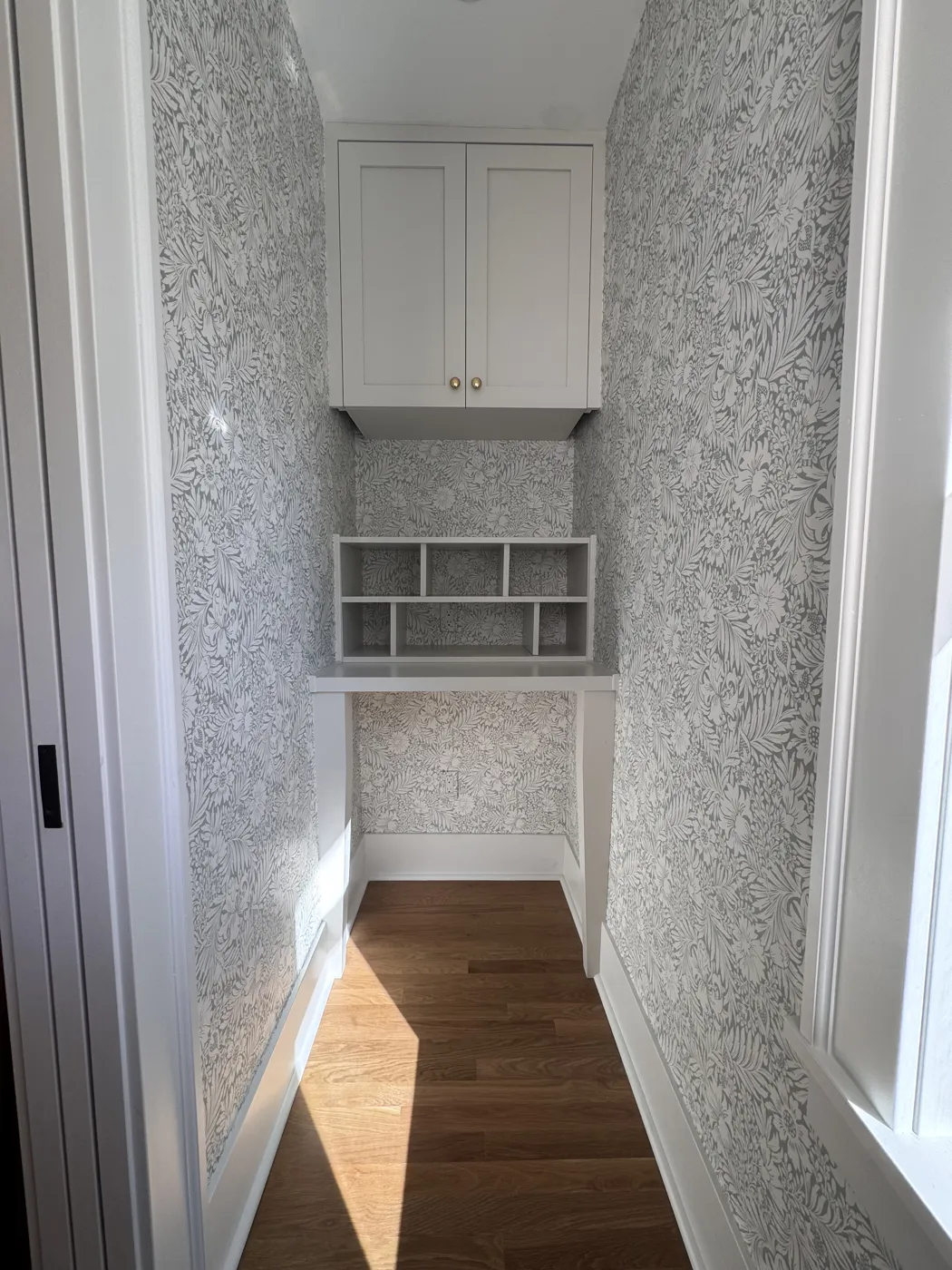
Wallpaper is one of the few finishes where the installer's skill is visible from across the room, and a crooked plumb line or mismatched repeat stays on your wall for years. Whether it is a powder room in an older Seattle bungalow or a feature wall in a newer Bellevue home, these steps will help you hire with confidence.
What does a wallpaper installer actually do?
A professional installer does far more than paste and hang. A typical job includes measuring and calculating rolls, removing old wallcovering, repairing and smoothing the walls, applying a primer made for wallcoverings, setting plumb lines, hanging and matching each panel, trimming cleanly at ceilings, baseboards, and openings, and cleaning paste off finished surfaces. Each material has its own rules, and many papers need a specific booking (relaxing) time set by the manufacturer. Our step-by-step wallpaper installation guide walks through each stage, and our explainer on what a paperhanger does covers the trade itself.
Wallpaper hanger vs general painter: who should you hire?
Hire a wallpaper specialist whenever seams and patterns matter; a general painter can be fine for a simple prepasted paper on smooth drywall. Many painting contractors offer wallpaper as a side service, but wallcoverings reward repetition. A specialist who hangs paper every week has learned how different products stretch, shrink, and seam, and how to plan a layout so the pattern lands well at the focal point and the least visible seam falls in a corner.
| Factor | Wallpaper specialist | General painter |
|---|---|---|
| Frequency of wallpaper work | Core of the business | Occasional add-on |
| Pattern matching (straight, half-drop, random) | Plans layout around the match | Varies widely |
| Grasscloth, silk, and designer papers | Familiar with handling and seams | Often limited experience |
| Large murals in numbered panels | Routine | Less common |
| Commercial Type I and Type II vinyl | Understands heavier materials and double-cut seams | May not stock the tools |
| Best fit | Any project where seams and patterns matter | Simple paper bundled with a paint job |
What questions should you ask a wallpaper installer before hiring?
Ask about experience with your exact material, the prep your walls need, primer and adhesive, roll count, and how surprises are handled. These questions help separate experienced pros from generalists:
- How often do you install this material? Name the product type, such as grasscloth, a peel-and-stick, a mural, or vinyl.
- Can I see photos of similar finished projects? Look closely at seams, corners, and trim lines, not just the overall look.
- What prep will my walls need? A good installer will ask about the wall's age and condition, existing paper, and any texture.
- Which primer and adhesive will you use? The answer should be specific and match the manufacturer's recommendations.
- How many rolls should I order? Experienced installers account for pattern repeat and waste.
- What happens if the wall is damaged under the old paper? You want a clear plan and pricing approach before work starts.
- Is your business registered in Washington? Contractors in the state are generally required to register with the Department of Labor & Industries, and you can verify registration on L&I's website.
How do I judge a wallpaper installer's portfolio and reviews?
Judge a portfolio by its close-ups and reviews by their details. In a wide shot almost any job looks good; close-ups reveal whether seams are tight, patterns line up across panels, and trim cuts are straight along ceilings and casings. Ask whether the photos are from the installer's own projects.
When you read reviews, skip past the star count and look for details. Comments about clean seams, on-time arrival, and tidy cleanup signal consistent work. Repeated complaints about bubbles, lifting seams, or missed appointments deserve attention.
Does experience with specific materials matter?
Yes, more than most homeowners expect. Grasscloth, murals and commercial vinyl each have handling rules that general painting experience does not cover.
Grasscloth and natural fibers
Grasscloth is woven by hand, so color and texture naturally vary from panel to panel and seams are always somewhat visible. An experienced installer will set expectations, check rolls before hanging, and may reverse alternate panels when the manufacturer recommends it. Paste on the face can stain, so clean technique matters. Our grasscloth and designer wallpaper guide covers this in more depth.
Murals
Murals arrive as numbered panels that must be hung in order and aligned precisely, often across an entire wall. The installer should check the panels against the wall dimensions before starting and plan where the image will break at corners, windows, and doors. Learn more about mural wallpaper installation.
Vinyl and commercial wallcoverings
Commercial vinyl is rated by durability class: Type I is the lighter class for lower-traffic rooms, and Type II is built for busier areas like corridors, hotels, and restaurants. These heavier materials often require double-cut seams and specific adhesives. If you manage an office or retail space in Kirkland or Redmond, ask whether the installer can work after hours, and see our commercial wallpaper installation guide.
What should a good written estimate include?
A good estimate is written and itemized; a verbal number is not an estimate. Ask for a quote that includes:
- The rooms and walls included, with approximate square footage
- Removal of existing wallpaper, if any
- Surface prep: patching, skim coating, sanding, and priming
- The primer and adhesive to be used
- Who supplies the wallpaper and the recommended roll count
- Access needs, such as tall stairwells or high ceilings
- Furniture moving, floor protection, and cleanup
- Schedule, payment terms, and how unexpected repairs are priced
Prices vary with wall area, material, pattern repeat, wall condition, and access, so it makes sense to compare two or three detailed estimates line by line. For a deeper look, see our article on wallpaper installation cost factors.
What are the red flags when hiring a wallpaper installer?
The biggest warning signs are a price given without seeing the walls, no mention of primer or prep, and pressure to pay or decide quickly.
- No assessment: a firm price without seeing the walls or photos of them.
- Skipping primer: hanging directly on bare drywall or glossy paint can make future removal difficult and adhesion unreliable.
- Vague scope: no mention of removal, prep, or cleanup.
- Pressure tactics: large upfront deposits, cash-only deals, or "today only" pricing.
- No portfolio: unable to show work in your material.
- Unrealistic timelines: promising a full room with heavy prep in an afternoon.
In the Pacific Northwest, also ask how the installer handles humid rooms. Bathrooms and laundry rooms see a lot of moisture, so material and primer choices matter; our guide to wallpaper for bathrooms explains why. Older homes on Mercer Island or in Seattle neighborhoods may have plaster walls that need different prep than newer drywall construction in Sammamish.
Checklist: how to compare wallpaper installers
Use this quick table to compare candidates side by side:
| Check | What good looks like |
|---|---|
| Specialization | Wallcoverings are a main focus, not an afterthought |
| Material experience | Recent photos of your exact material type |
| Reviews | Specific comments on seams, cleanup, and punctuality |
| Site assessment | Walls inspected in person or through detailed photos |
| Written estimate | Itemized scope, prep, primer, materials, and schedule |
| Roll calculation | Accounts for pattern repeat and waste |
| Registration | Verifiable with Washington L&I |
| Communication | Answers questions clearly and responds promptly |
Frequently asked questions
How do I find a good wallpaper installer in the Seattle area?
Start with installers who specialize in wallcoverings rather than general painting. Ask for photos of recent jobs similar to yours, read reviews that mention specific materials, and request a written estimate after an in-person or photo-based assessment. Compare at least two or three detailed quotes, and choose the installer who explains prep, materials, and pattern matching clearly instead of simply offering the lowest number.
Is a wallpaper hanger different from a painter?
Yes. Many painters hang paper occasionally, but a dedicated wallpaper hanger works with wallcoverings every week. That experience shows in seam placement, pattern matching, plumb lines, trimming at ceilings and outlets, and knowing each material's paste and booking requirements. For simple prepasted paper a skilled painter may do fine; for grasscloth, murals, or commercial vinyl, a specialist is usually the safer choice.
What should a wallpaper installation estimate include?
A good estimate lists the rooms and walls included, the wallpaper type, removal of any existing covering, surface prep such as patching, skim coating, and priming, the primer and adhesive to be used, who supplies materials, the number of rolls recommended, cleanup, and the schedule. It should also state how unexpected wall damage found during removal will be handled and priced.
Should I buy the wallpaper before or after hiring an installer?
Ideally after the installer has measured. Roll counts depend on wall area, pattern repeat, match type, and roll size, so an experienced installer can tell you how many rolls to order and whether extra is needed for waste. Buying all rolls from the same batch or dye lot at once also helps avoid shade differences between panels.
How far in advance should I book a wallpaper installer in the Seattle area?
Lead times vary by season and project size, so reach out as soon as you have chosen your paper or narrowed your options. Allow time for the estimate, material ordering, and delivery, since designer papers and murals can take weeks to arrive. Commercial projects that need after-hours work should be scheduled early so crews can plan around business hours.
Do I need to prep my walls before the installer arrives?
Usually not beyond clearing the room. Most professional installers handle wall prep themselves, including removing old paper, repairing damage, skim coating rough walls, and applying a wallcovering primer. Do move furniture, art, and fragile items away from the walls, and ask your installer whether they want outlet covers removed or will handle that during the job.
Get a free wallpaper installation estimate
WallpaperCraft Pro, based in Bellevue, WA, installs residential and commercial wallpaper and handles wallpaper removal across Seattle, the Eastside, and the 22 cities we serve. Call (213) 645-9101 or visit wallpapercraftpro.com to request your free estimate, and we will reply to your quote request within 24 hours.