
If you are searching for a "wallpaper hanger near me," you are looking for a paperhanger: a specialist who prepares and primes walls, plans the layout, books pasted paper as the manufacturer directs, and hangs it plumb with matched, tight seams. A painter or handyman can hang simple paper, but patterned, costly or delicate wallcoverings are safer with a dedicated hanger. WallpaperCraft Pro is a Bellevue, WA wallpaper installation team serving Seattle and the Eastside, and a few photos plus wall measurements are enough to start a free estimate.
Key takeaways
- A wallpaper hanger, also called a paperhanger, focuses only on wallcoverings: prep, layout, hanging, trimming and seams.
- The core skills are setting a plumb line, planning where seams and pattern breaks land, booking paper correctly and trimming cleanly.
- Simple papers in a small room are fine for DIY; grasscloth, murals, large patterns, ceilings and stairwells are usually worth hiring out.
- Photos of each wall plus width and height measurements help a hanger quote quickly and accurately.
- On install day, expect protection, a surface check, layout, hanging and a walkthrough of seams at the end.
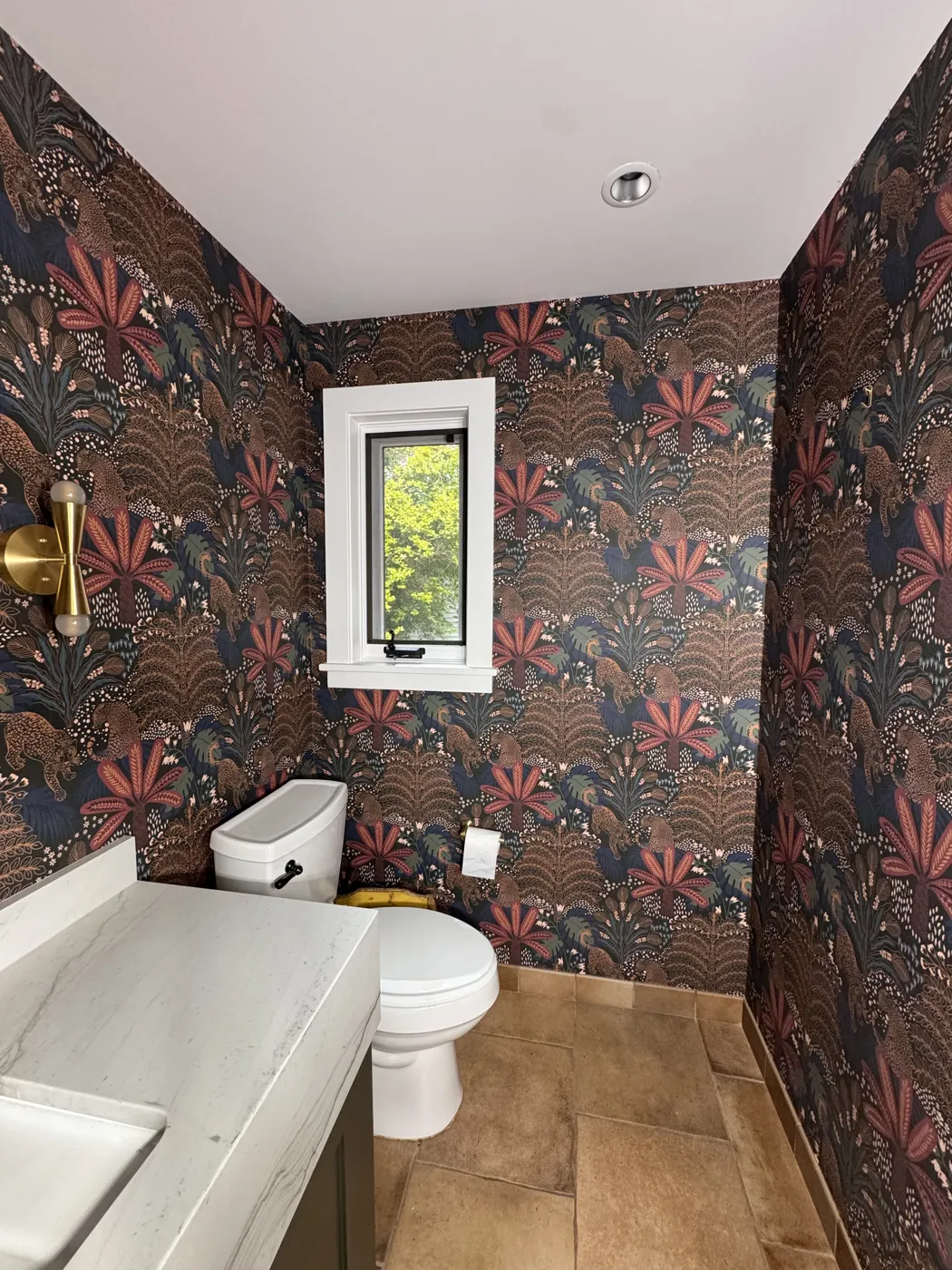
What does a wallpaper hanger actually do?
A wallpaper hanger is a tradesperson who specializes in wallcoverings rather than general painting or repairs. Most of the skill shows up before the first strip goes on the wall.
A good paperhanger looks at the surface, decides whether old paper must come off, checks for patches, gloss or flaking paint, and makes sure the wall has the right primer. Wallcovering primers give paste an even surface to grab and make future removal easier, which matters a lot on new drywall. Our guide to wall preparation for wallpaper explains that stage in detail.
Next comes layout. The hanger decides where the first strip goes, where the final seam will land (ideally in a low-visibility corner), and how the pattern will center on a focal point like a fireplace or bed wall. Only then do cutting, pasting and hanging begin.
Wallpaper hanger vs. painter vs. handyman
The difference is focus. A professional wallpaper hanger does this work every day and owns the specialized tools.
| Task | Wallpaper hanger | Painter | Handyman |
|---|---|---|---|
| Wallcovering primer and wall prep | Core skill | Strong on prep, less on wallcovering primers | Varies |
| Pattern layout and matching | Core skill | Occasional | Rare |
| Double-cut seams | Routine | Uncommon | Uncommon |
| Grasscloth, silk, murals | Experienced with them | Usually avoids | Usually avoids |
| Wallpaper removal | Routine | Sometimes | Sometimes |
| General repairs, trim, fixtures | Limited to what affects the paper | Paint-related only | Core skill |
What skills separate a pro paperhanger from DIY?
Four techniques do most of the work: hanging from a true plumb line, booking each product correctly, cutting tight seams and planning the pattern match. Here is what each one involves.
Plumb lines, not walls or ceilings
Real walls and ceilings are rarely perfectly straight. That is especially true in older Seattle houses with settled plaster, but newer drywall in Redmond or Kirkland can be slightly out too. A paperhanger sets a true vertical line with a laser or plumb bob and hangs from that line, not from the corner.
Booking time
Booking means folding a pasted strip pasted side to pasted side and letting it rest before hanging. Many paper-based wallcoverings expand slightly when wet, and booking lets that happen before the strip goes up, which helps prevent bubbles and open seams as it dries. Booking time comes from the manufacturer, and many non-woven, paste-the-wall products skip it entirely. A pro reads the instructions for each product instead of guessing.
Double-cut seams
For some materials, such as certain murals, commercial vinyls and some grasscloths, the hanger overlaps two strips and cuts through both at once with a sharp blade and straightedge. Removing the scraps leaves a seam that fits exactly. A careful hanger protects the wall underneath so the blade does not score the surface, which could weaken the seam later.
Pattern matching and trimming
Straight, half-drop and random matches each need a different cutting plan and can change how many rolls you need. Our article on wallpaper pattern matching and roll counts explains the details. Trimming at ceilings, baseboards, windows and outlets is where rushed work shows. A hanger uses a broad knife as a guide and changes blades often so cuts stay crisp instead of tearing.
When is DIY fine, and when should you hire a wallpaper hanger?
DIY works when the paper, wall and room are forgiving. Hiring a pro makes more sense as the material gets more expensive and the room gets more complicated.
- DIY is usually fine for: one small accent wall, a random-match or small-repeat pattern, a smooth and already-primed wall, inexpensive or peel-and-stick paper, and a room where minor flaws will not bother you.
- Hire a professional wallpaper hanger for: grasscloth, silk and other designer papers that show handling marks; murals with panels that must line up; large-repeat or half-drop patterns; ceilings, stairwells and tall walls that need scaffolding or planks; damp rooms like bathrooms and laundry rooms; walls with old paper or damaged plaster; and commercial spaces that need Type I or Type II vinyl or after-hours work.
Natural materials have their own rules, such as visible color variation between panels. Our guide to grasscloth and designer wallpaper installation covers what to expect. A useful rule: if the paper costs more than you would want to lose on a mistake, get a quote before you start cutting.
How do you find a wallpaper hanger near me and get a fast quote?
Gather photos, measurements and product details before you reach out. Choosing between hangers is its own topic, covered in our guide on how to choose a wallpaper installer. What you can control is how quickly and accurately you get a price.
- Photograph each wall straight on. Show the whole wall, including windows, doors, outlets and the ceiling line.
- Add close-ups of the surface. Show existing wallpaper, peeling paint, cracks, texture or water stains. Surface condition often affects prep time more than anything else.
- Measure width and height. Note each wall's width and the ceiling height. Mention large openings, but do not subtract them yourself.
- Share the wallpaper details. Send the product name or link, roll size, pattern repeat and match type. If you have not chosen yet, describe the style you are considering.
- Mention access and timing. Note stairwells, high ceilings, parking, condo building rules and any deadline.
- Ask for a written estimate. A clear written quote lists prep, removal if any, installation and what is excluded.
Good photos and measurements often let a hanger prepare an estimate before a site visit. For what moves the price, read our wallpaper installation cost factors guide. To check whether your city is covered, see the 22 cities we serve.
What should you expect on install day?
A professional install day follows a predictable rhythm: protect, check, lay out, hang, then clean up. That holds whether the job is a powder room in Bellevue or a hallway in Edmonds.
- Setup and protection. Floors are covered, furniture is moved away from the walls, and outlet and switch covers come off with power safety in mind.
- Surface check. The hanger confirms the wall is clean, sound and primed. If prep was quoted separately, it may happen a day earlier so primer can dry.
- Layout. Plumb lines are marked and the starting point is chosen.
- Hanging and seams. Strips are cut, pasted or booked as the product requires, hung, smoothed and trimmed. Paste is wiped from the face as work progresses.
- Cleanup and walkthrough. Covers go back on, scraps are removed and you look over the seams and edges together.
Afterward, keep the room at a normal temperature and avoid pointing heaters or fans at fresh paper so it dries evenly. In the damp Pacific Northwest, drying can take a little longer in rooms with less airflow.
"Wallpapering our laundry room seemed daunting, but the installer from Wallpapercraft was incredibly patient. He expertly handled the humid space and gave clear answers to all my questions. Finding such a skilled wallpaper installer near me made the project a success. Highly recommend!" — Olivia Willamson
Frequently asked questions
What is a paperhanger?
A paperhanger is a tradesperson who specializes in installing wallcoverings. The work covers wall prep, priming, layout, pattern matching, cutting, pasting or booking, hanging, seaming and trimming. Many paperhangers also remove old wallpaper. The terms paperhanger, wallpaper hanger and wallpaper installer generally mean the same thing, so you can search for any of them.
Can a painter hang wallpaper?
Some painters hang basic wallpaper well, especially small-repeat or forgiving patterns. Specialty materials like grasscloth, silk, murals and large-repeat designs call for precise layout, correct booking and double-cut seams, which a dedicated wallpaper hanger uses every day. For expensive paper, ask to see examples of similar work before you decide who to hire.
How do I get a quote from a wallpaper hanger near me?
Send clear photos of each wall, close-ups of the surface condition, the width and ceiling height of each wall, and the wallpaper product details including pattern repeat. Mention access issues and your timeline. With that information, a hanger can usually prepare a written estimate quickly. WallpaperCraft Pro replies to quote requests within 24 hours.
How long does it take to hang wallpaper in one room?
It depends on wall area, pattern repeat, the number of windows and doors, and how much prep the walls need. A single accent wall is often a short job, while a full room with removal and skim coating can stretch across several days so primers and repairs can dry. Your installer should give you a schedule along with the estimate.
Do I need to remove old wallpaper before hanging new paper?
Usually, yes. Hanging over old wallpaper risks bubbling, lifting seams and the old layer showing through, especially in humid rooms. Old paper is typically removed, the wall is repaired and smoothed if needed, and then it is primed with a wallcovering primer. A hanger will assess the existing paper on your walls and explain the options.
Do you serve Seattle and the Eastside?
Yes. WallpaperCraft Pro is based in Bellevue and serves 22 cities across the Seattle area, including Seattle, Kirkland, Redmond, Renton, Edmonds and Tacoma. We handle residential and commercial wallpaper installation, removal and surface prep. Call (213) 645-9101 for a free estimate, and we reply to quote requests within 24 hours.
Looking for a wallpaper hanger near you?
Send us photos and wall measurements for a free estimate, and we will reply with a quote within 24 hours. Call (213) 645-9101 or request your quote at wallpapercraftpro.com.