
Commercial wallpaper installation in Bellevue starts with a wallcovering chosen for how the space is used and a schedule built around the people using it: cleanable Type I or Type II vinyl in busy areas, properly primed walls, after-hours or phased work in occupied buildings, and a clear punch list before handover. WallpaperCraft Pro is based in Bellevue, WA, and handles offices, medical and dental clinics, multifamily buildings, model homes and hospitality spaces across Bellevue, Redmond, Kirkland and the rest of the Eastside.
Key takeaways
- Match the wallcovering to traffic: Type I vinyl for light-duty rooms, Type II for corridors, lobbies and other spaces that take regular bumps and cleaning.
- Clinics, amenity spaces and occupied offices usually need evening, weekend or phased scheduling so the business keeps running.
- Textile and acoustic wallcoverings need the adhesive, seam method and handling the manufacturer specifies; they are less forgiving than vinyl.
- On new construction, wallcovering goes up after drywall finishing and priming are done and the building's heat and ventilation are running.
- A walk-through punch list and labeled leftover rolls (attic stock) make future repairs far easier for property managers.
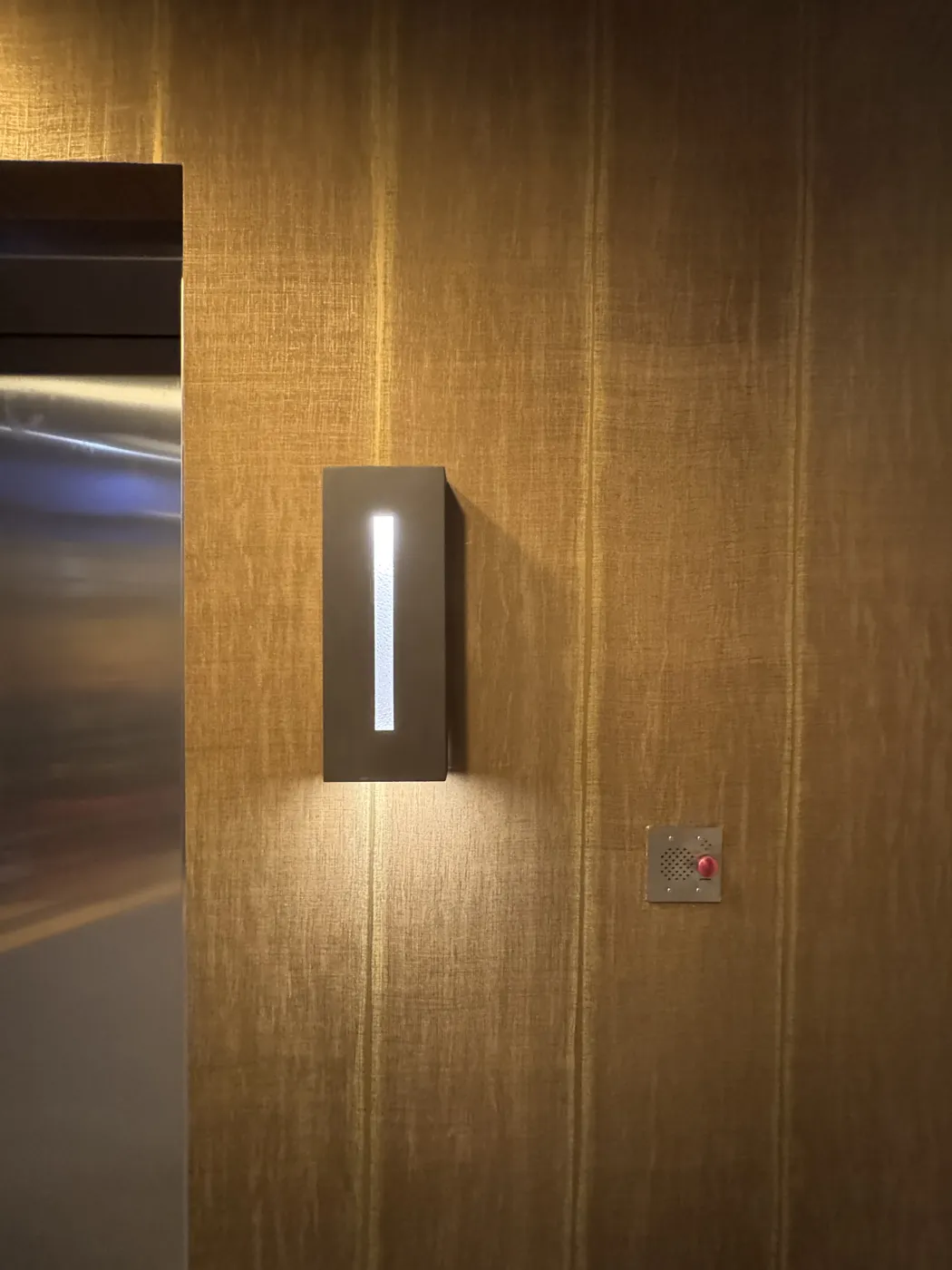
Eastside commercial work looks different from a downtown high-rise: office parks, medical and dental suites, multifamily buildings and new subdivisions with model homes. This page covers how Eastside commercial projects run in practice. For materials, fire ratings and submittals in general, see our commercial wallpaper installation guide; for downtown restaurants, retail and hotels, read planning a commercial wallcovering job in Seattle. Homeowners should start with our Bellevue residential wallpaper installer page.
Where is commercial wallpaper installation in Bellevue most common?
Most Eastside commercial wallcovering goes into five kinds of spaces: offices, medical and dental clinics, multifamily common areas, builder model homes and hospitality.
Offices in Bellevue, Redmond and Kirkland
Typical requests are reception feature walls, branded break-room walls, and durable vinyl in corridors and conference rooms. Tenant improvements are tied to a move-in date, so wallcovering must fit between painting, flooring and furniture delivery. In occupied offices, work is usually done after hours so hallways stay clear during the workday. Our Redmond and Kirkland wallpaper installation page covers those cities in more detail.
Medical and dental clinics
Exam rooms, waiting areas and hallways get wiped down constantly. Choose a scrubbable commercial vinyl and confirm in the product's care guidance that it tolerates your cleaners. Clinics rarely can close, so work is split into evenings or weekends, one zone at a time, each returned to service before patients arrive.
Multifamily lobbies and amenity spaces
Apartment and condo buildings in Bellevue, Kirkland and Bothell often refresh lobbies, leasing offices, mail rooms, fitness rooms and corridors. Because residents are home, plan for notices from the property manager, an elevator reservation, floor protection and clear exit paths.
Model homes for builders
For new communities around Sammamish, Issaquah and Woodinville, builders use wallpaper in model homes to show design options, such as a powder room or dining room accent wall. The opening date and stager's schedule set the deadline, so wallcovering goes in after paint and before final cleaning. Designer papers need extra care; see our grasscloth and designer wallpaper installation guide.
Hospitality and restaurants
Guest-room work is phased floor by floor so few rooms leave inventory at once; restaurants are done on closed days or overnight.
Which commercial wallcovering fits each Eastside space?
Heavier Type II vinyl usually goes where traffic and cleaning are heaviest, and lighter or decorative materials go where appearance matters most. Use this as a starting point; your designer and the manufacturer have the final word.
| Space | Common wallcovering choice | Main concern | Typical scheduling |
|---|---|---|---|
| Private offices, conference rooms | Type I vinyl, textile, or designer paper on a feature wall | Appearance, acoustics | After hours or before move-in |
| Corridors, lobbies, elevator landings | Type II vinyl | Scuffs, cart and luggage impacts | Phased, nights or weekends |
| Clinic exam rooms and waiting areas | Scrubbable Type II vinyl | Frequent cleaning | Evenings, one zone at a time |
| Amenity rooms, leasing offices | Type I or Type II vinyl, accent murals | Style plus everyday wear | Coordinated with residents and management |
| Model homes | Residential designer papers, grasscloth, murals | Visual impact, tight deadline | After paint, before staging |
| Hotel rooms, restaurants | Type II vinyl in high-wear zones | Durability, downtime | Floor by floor or on closed days |
Type I or Type II in an Eastside office or clinic?
In a typical Bellevue office suite, Type I works in private offices and conference rooms, while Type II belongs in the main corridor, reception and break room. Clinics often use Type II throughout patient areas because of constant wiping. Heavier classes cost more and are stiffer to hang, so put them where the wear actually happens.
What about textile and acoustic wallcoverings?
Textile and acoustic wallcoverings add warmth and can soften sound in conference rooms and lounges, but they are less forgiving than vinyl. Adhesive on the face can stain, seams may be butted or double-cut depending on the product, and some require a specific adhesive or paste-the-wall method. Follow the manufacturer's instructions exactly.
How do you plan a commercial wallcovering project with a property manager or GC?
Agree on scope, building rules and trade sequencing in writing before install day. This sequence keeps most Eastside projects on track:
- Walk the site and confirm scope. Measure walls, note ceiling heights and lift or scaffold needs, mark which walls get which product, and flag any old wallcovering that must come off first (our Bellevue wallpaper removal page explains that step).
- Confirm the product and quantities. Check pattern repeat, roll width and whether all rolls can come from the same run or batch to avoid shade differences.
- Collect building requirements. Property managers and GCs typically need insurance documentation, access hours, parking and loading instructions, elevator bookings and any noise or odor rules. Ask for these in writing.
- Sequence with other trades. Wallcovering should follow drywall finishing, priming and most painting, and come before final trim, cover plates, furniture and staging where possible.
- Check wall readiness. Walls should be smooth, dry, primed with a primer suitable for wallcoverings, and at the room conditions the manufacturer calls for.
- Install in phases. Work zone by zone so occupied areas stay usable, and clean each zone before leaving.
- Walk the punch list. Review the work together, fix items, and hand over leftover material.
How does new Eastside construction affect timing?
Much of the space around Bellevue and Redmond is newer drywall construction. Joint compound and primer must be fully dry, and manufacturers generally want the space at normal operating temperature and humidity. In our damp Pacific Northwest winters, an unconditioned building slows drying and adhesive set. If the HVAC is not running yet, raise it with the GC before the install date. Our wall preparation guide explains what a ready wall looks like.
What should a commercial punch list cover?
A commercial punch list should confirm seams, edges, cleanliness and leftover stock before anyone signs off. Walk the space in normal lighting and check:
- Seams are tight, flat and matched across the pattern, with no visible gaps or overlaps.
- No adhesive residue on the face, ceilings, trim or floors.
- Clean cuts at ceilings, baseboards, door casings and corners.
- Neat edges around outlets, switches, thermostats and fire alarm devices, with cover plates reinstalled.
- No bubbles, lifting edges or damaged panels.
- Leftover rolls labeled with the product name, color and batch number and stored where maintenance staff can find them.
That last item is often skipped, yet same-batch attic stock makes a future corridor repair far less noticeable.
What affects the cost of a commercial project in Bellevue?
The main factors are wall area, product and durability class, pattern repeat, wall condition and any removal or prep, ceiling height and access, number of phases, and after-hours work. The only reliable number is a written estimate after a site visit. You can request a free estimate and we reply to quote requests within 24 hours.
Frequently asked questions
Do you offer commercial wallpaper installation in Bellevue after hours?
Yes. WallpaperCraft Pro offers after-hours scheduling for commercial projects, which is often the best fit for offices, clinics, restaurants and retail spaces that need to stay open during the day. We plan access, parking and building rules with the property manager or GC ahead of time and work in zones so each area is clean and usable when your staff and customers return.
Can you refresh multifamily corridors and amenity spaces while residents live there?
Yes. In occupied apartment and condo buildings around Bellevue, Kirkland and Bothell, we work one floor, wing or room at a time so residents always have a clear path. The property manager typically sends notices, reserves the elevator and sets work hours, and we protect floors and clean each area before leaving. Type II vinyl is a common choice for busy corridors.
Can you install wallpaper in a medical or dental office?
Yes. Clinics usually choose scrubbable commercial vinyl for exam rooms, waiting areas and hallways. Check that the product's care instructions are compatible with the cleaners your staff use. To avoid closing, installation is typically done in the evenings or on weekends, one area at a time, so each room can return to service quickly.
Do you work with general contractors and property managers on the Eastside?
Yes. We coordinate with GCs, property managers and designers on commercial projects in Bellevue, Redmond, Kirkland and nearby cities. That includes confirming scope and quantities, following building access and elevator rules, sequencing with painters and other trades, and walking a punch list together at the end of the job.
How much does commercial wallpaper installation cost in Bellevue?
Cost depends on wall area, the wallcovering product and its durability class, pattern repeat, wall condition, any removal or prep, ceiling height and access, number of phases, and after-hours scheduling. Because commercial sites vary widely, the reliable way to budget is a written estimate after a site visit. WallpaperCraft Pro offers free estimates.
Can you install wallpaper in builder model homes?
Yes. Model homes often feature designer papers, grasscloth or murals in powder rooms, dining rooms and bedrooms to show buyers what is possible. We schedule the work after painting and before final cleaning and staging so the home is ready for its opening date. Share your timeline early so materials can be ordered in time.
Plan your Eastside commercial wallcovering project
Whether it is an office in Redmond, a clinic in Bellevue or a lobby in Kirkland, WallpaperCraft Pro can help you plan the materials, schedule and punch list. Get a free estimate by calling (213) 645-9101 or emailing wallpapercraftpro@gmail.com. We reply to quote requests within 24 hours.