
Commercial wallpaper installation in Seattle is planned around the building as much as the walls: loading access, parking, building-management rules, after-hours windows and the fire rating your general contractor or designer specifies. WallpaperCraft Pro, based in nearby Bellevue, quotes from your drawings or a site walk and phases the work so restaurants, shops, salons, offices and hotels can keep operating. We install commercial vinyl, brand walls and murals, and reply to quote requests within 24 hours.
Key takeaways
- Downtown and urban Seattle jobs live or die on logistics: freight elevator time, loading zones, parking and building rules should be settled before install day.
- Fire-rating and code requirements for wallcoverings vary by project, so confirm them with your GC, architect or designer before material is ordered.
- Accurate quotes come from drawings plus a spec sheet: wall elevations, finish schedules and the exact product and pattern repeat.
- Occupied spaces can be done in phases or after hours so customers, guests and staff aren't disrupted.
- Brand walls and murals need print proofs and measured walls before production, not after.
What's different about commercial wallpaper installation in Seattle?
In Seattle, the hard part is usually access, scheduling and building rules rather than the hanging itself. A commercial wallcovering job is the same craft as a residential one: sound substrate, the right primer, careful layout, tight seams. What changes in the city is everything around the wall. A café in a mixed-use building, an office floor in a high-rise or a hotel corridor each comes with its own access rules, schedule pressure and stakeholders, from property managers to designers and general contractors. Older buildings add their own surprises, such as plaster walls, out-of-plumb corners and layers of old vinyl; our page on wallpaper removal in Seattle's older buildings explains what taking those layers down involves.
If you want the technical background on commercial materials, including the difference between Type I and Type II vinyl and where each tends to be specified, read our commercial wallpaper installation guide. This page focuses on what's specific to getting a commercial crew in and out of a Seattle space smoothly. Homeowners should see our residential wallpaper installer guide for Seattle instead.
Which Seattle businesses use commercial wallcoverings?
Restaurants, cafés, boutique retail, salons, offices, hotels and multifamily lobbies are the most common Seattle commercial wallcovering projects, and each has different goals that shape the plan:
- Restaurants and cafés: durable, wipeable surfaces near booths, host stands and corridors to restrooms, plus a feature wall that photographs well.
- Boutique retail: fitting-room walls, cash-wrap backdrops and window-visible feature walls that change with seasons or collections.
- Salons and studios: scrubbable wallcoverings that handle product splashes and frequent cleaning while still looking upscale.
- Offices: reception walls, conference rooms, phone rooms and corridors where scuffs from chairs and carts are constant.
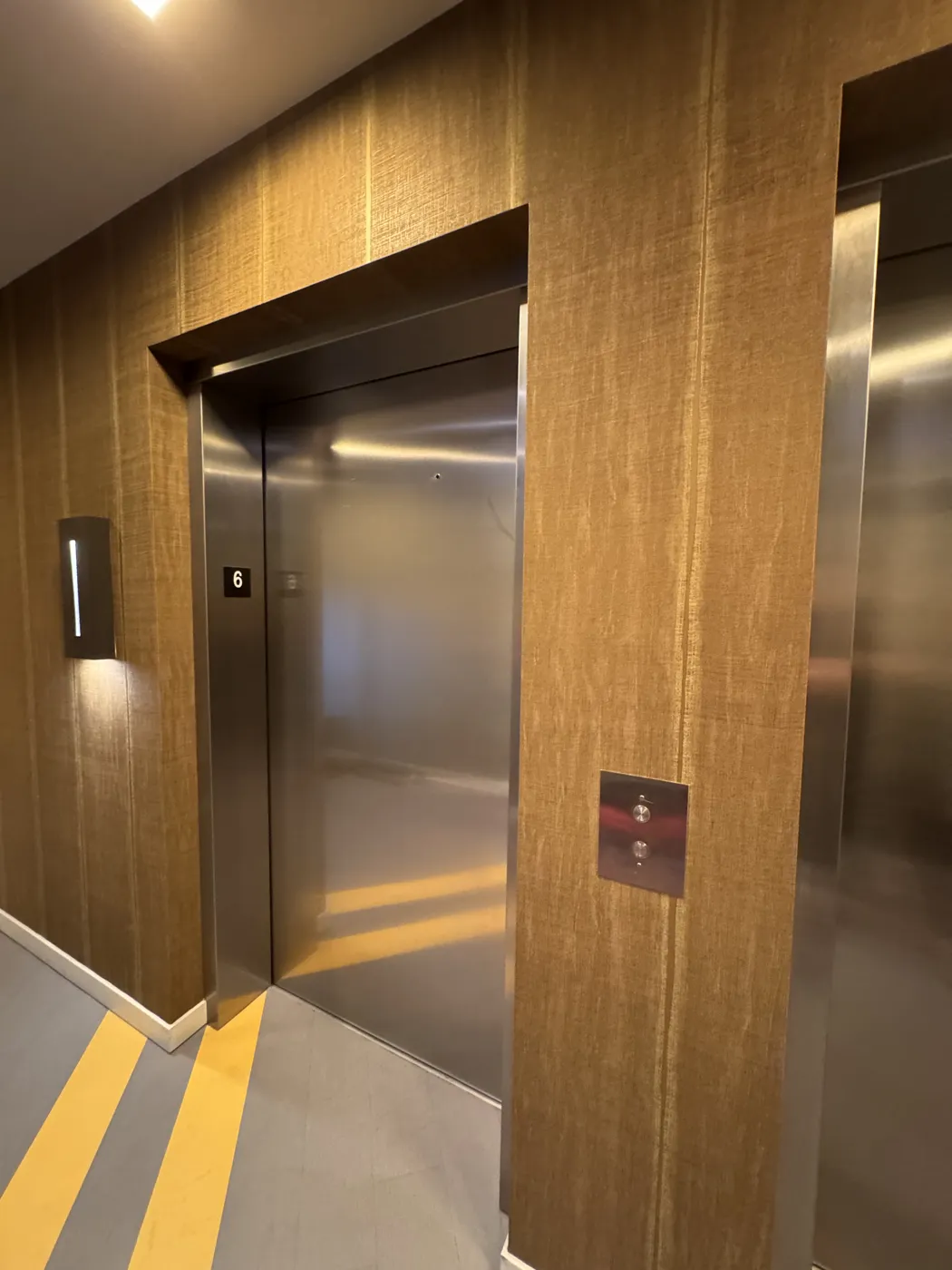
- Hotels and multifamily lobbies: long corridor runs, elevator lobbies and amenity spaces where consistency across floors matters as much as the look of any single wall.
How do downtown logistics affect a commercial wallpaper installer?
In Seattle's denser neighborhoods, time lost to access problems can rival time spent hanging paper. Plan these rather than discovering them on install day:
- Loading and deliveries: Where can materials be dropped off? Does the building have a loading dock, and does it need to be reserved? Rolls and bolts are heavy and must stay dry on the way in, which matters on a rainy Seattle morning.
- Parking: Street parking near many storefronts is limited. Knowing in advance whether there's a garage, a service lot or a load-and-move arrangement saves time each day.
- Building management: Many commercial buildings have contractor rules covering paperwork, sign-in, freight elevator hours and floor protection in common areas. Ask your property manager for their requirements in writing early.
- After-hours work: Some buildings allow noisy or messy work only at certain times, and many businesses prefer evenings, overnights or closed days. We offer after-hours scheduling for commercial projects.
- Staging space: We need a clean area to cut and paste and somewhere to store material overnight, agreed in advance in small spaces.
What fire-rating and code questions should you ask first?
Commercial interiors often have wallcovering requirements that homes don't, such as flame-spread and smoke ratings, and sometimes stricter rules for exit corridors. They depend on the building, occupancy type and jurisdiction, so the answer comes from your project team. Before anything is ordered, ask your GC, architect or designer:
- Does the specified wallcovering meet the fire rating required for this space?
- Does that rating depend on a particular adhesive or on being installed over a specific substrate?
- Are there areas, such as corridors or exits, where requirements are stricter?
- Does the permit or inspection process need product data sheets or documentation from us?
We install to the manufacturer's instructions and can supply product information for your records, but code compliance decisions belong with the design and construction team.
How do you get an accurate quote from drawings?
Send floor plans, elevations and the product spec sheet, and we can often price a tenant improvement or new build before the walls are even finished. Here's the process we follow:
- Send the documents. Floor plans, wall elevations and the finish schedule showing which walls get which wallcovering. Mark any walls that are optional or alternates.
- Share the spec sheet. Manufacturer, product name, width, roll or bolt length, pattern repeat and match type. A large repeat or a half-drop match can noticeably change how much material is needed; our guide to wallpaper pattern matching and roll counts shows why.
- Note wall conditions. New drywall, existing paint, old wallcovering that has to come off, or damaged surfaces all affect prep time.
- Describe access and hours. Ceiling heights, lifts or scaffolding, freight elevator rules and whether work must happen after hours.
- Confirm with a site walk when possible. A walk-through catches out-of-plumb corners, outlets and trim that drawings miss.
- Receive a written estimate. We reply to quote requests within 24 hours, and the estimate spells out scope, prep, schedule assumptions and what's excluded.
How can you install wallpaper in an occupied space?
Most Seattle businesses can't close for a week. Phasing lets the space stay open while work moves through it in planned sections. The table below compares common approaches:
| Approach | Works well for | Things to plan |
|---|---|---|
| After-hours or overnight | Restaurants, cafés, retail, salons | Building access after closing, lighting, a clean handover before opening |
| Zone by zone during business hours | Offices, hotel floors, large lobbies | Barriers and signage, quiet work near occupied rooms, moving furniture |
| Closed days or a short closure | Small shops and studios with one main room | Prep first, so hanging days aren't lost to repairs |
| Floor by floor or wing by wing | Hotels and multifamily corridors | Matching dye lots across phases, ordering enough material up front |
When a job is split into phases weeks apart, order all the material at once from the same run or dye lot where possible. Batches made at different times can vary slightly in color, which shows up on long corridors.
What about brand walls and custom murals?
Yes, brand walls and murals work well in Seattle businesses, as long as the wall is measured and the proof approved before printing. A custom printed wall can carry a logo, a menu-board backdrop, a neighborhood map or a large-scale photo. Because it's made to size, the order of operations matters: measure the finished wall, then approve a proof with panel breaks marked, then print. Panel seams should avoid faces, text and logos. Light switches, outlets and fixtures should be planned into the design so nothing important sits behind a cover plate.
For more on how custom murals are produced and hung, see our mural wallpaper installation article. One client put the finished result this way:
"They did a fabulous job with my mural wallpaper (can't see or even feel the seams), and they worked quickly and neatly." — Ann Moore
Do you work outside Seattle?
Yes. WallpaperCraft Pro is based in Bellevue, WA, and serves 22 Puget Sound cities, including Shoreline, Edmonds, Renton, Everett and Tacoma. Eastside office, clinic and multifamily projects are covered on our Bellevue commercial wallcovering page, and you can see what we offer in our commercial services section. Call (213) 645-9101 to talk through your project.
Frequently asked questions
How much does commercial wallpaper installation cost in Seattle?
It depends on wall area, the wallcovering type, pattern repeat, the condition of the walls, any removal or prep, ceiling height and access, and whether work happens after hours. Downtown logistics like freight elevators and parking can also affect time on site. Send drawings or request a site visit and we'll provide a free written estimate, usually within 24 hours.
Can you install wallpaper after hours in a downtown Seattle building?
Yes. WallpaperCraft Pro offers after-hours scheduling for commercial projects, including evenings, overnights and closed days, so restaurants, shops, salons and offices can stay open. Confirm with building management early, since many downtown buildings have rules about after-hours access, freight elevator reservations, loading dock use and who needs to sign in or be on site.
Can you quote a commercial wallpaper job from drawings?
Often, yes. Floor plans, wall elevations, a finish schedule and the product spec sheet with width and pattern repeat let us estimate material and labor. We recommend a site walk once walls are framed or finished, because real conditions such as corners, outlets and trim can change layout and prep needs.
Who decides the fire rating for wallcovering on a Seattle commercial project?
Your project team does. Fire-rating requirements for wallcoverings vary by building, occupancy and jurisdiction, so your GC, architect or designer should confirm what's required before materials are ordered. The rating usually applies to a tested assembly, so the specified adhesive and substrate matter. We install according to the manufacturer's instructions and can provide product information for your project records.
Can you wallpaper older Seattle commercial buildings with plaster walls?
Yes. Older Seattle storefronts and offices often have plaster, uneven walls or several layers of old wallcovering. We assess the surface first, remove old layers where needed, repair and skim coat, then apply a wallcovering primer so the new material bonds well and can be removed later. Prep time depends on the wall condition, so it is spelled out in the written estimate.
Do you install custom brand walls and murals for businesses?
Yes. We install custom printed murals and brand walls for retail, hospitality and office spaces. For the best result, measure the finished wall first, approve a proof that shows panel breaks, and keep logos and text away from seams and outlets. We can help review the layout before it goes to print.
Plan your Seattle commercial wallcovering project
Send your drawings or book a site walk for a free estimate, and we'll reply within 24 hours. Call (213) 645-9101 or request a quote at wallpapercraftpro.com.